







Search Results for: Costa Rica Monte Grande Estate
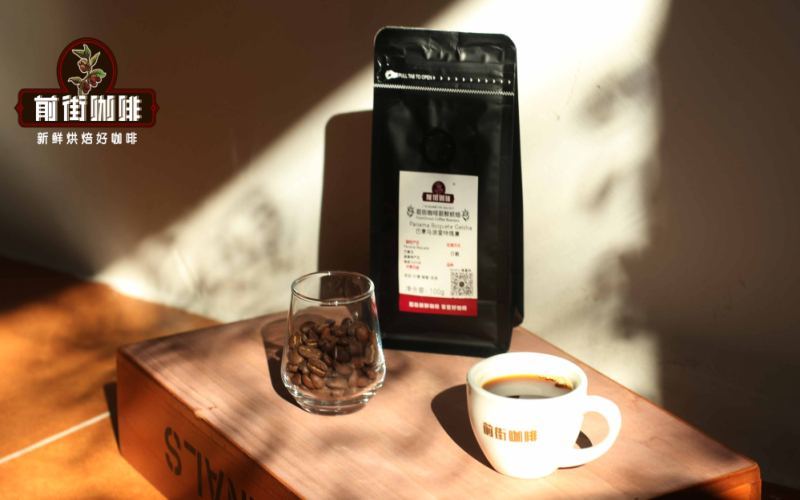
Front Street Coffee Limited-Time Special: Blue Label Geisha half price at 49 yuan for 100 grams, everyday beans from 9.9 yuan, seasonal drip bags at 19.9 yuan
Front Street Coffee (FrontStreet Coffee) launches its annual mega-value promotion, featuring selected drip coffee bags, six best-selling everyday beans, and thirteen specialty beans, with single-origin beans at up to 50% off. Among them, the Panama Hacienda La Esmeralda Blue Label Geisha is half price at only 49 yuan/100g, while everyday beans such as Yunnan small-batch, washed Yirgacheffe, and Mandheling are as low as 9.9 yuan/100g, and seasonal drip coffee bags are 19.9 yuan/box with free shipping nationwide. The promotion runs from July 15 to 17, only three days. This article details the flavor characteristics, processing methods, and Taobao codes of each discounted bean, and also includes a primer on Geisha grades (Red Label, Green Label, Blue Label) along with brewing suggestions, helping coffee lovers taste specialty coffee at affordable prices. [more…]

Clever Dripper: Origins, Structure, Principles, and Full Immersion Brewing Guide
The Clever Cup is a coffee dripper with a manual valve at the bottom, developed by the Taiwanese company EK INTL, and its design concept originates from the same brand's tea brewing device, HandyBrew. When the valve is placed flat on a tabletop, it closes automatically, preventing the coffee liquid from flowing down and creating an immersion state; when it is placed on a container, the valve opens and the coffee liquid flows out. Compared with direct-drip drippers such as the V60, the Clever Cup adds an immersion extraction stage, is not affected by pouring technique, and is friendlier to beginners. This article outlines the Clever Cup's structure and principles, recommended grind size and water temperature, and includes a complete brewing recipe and steps used by Front Street with Costa Rica's Cerro de la Muerte Estate blueberry coffee beans. [more…]
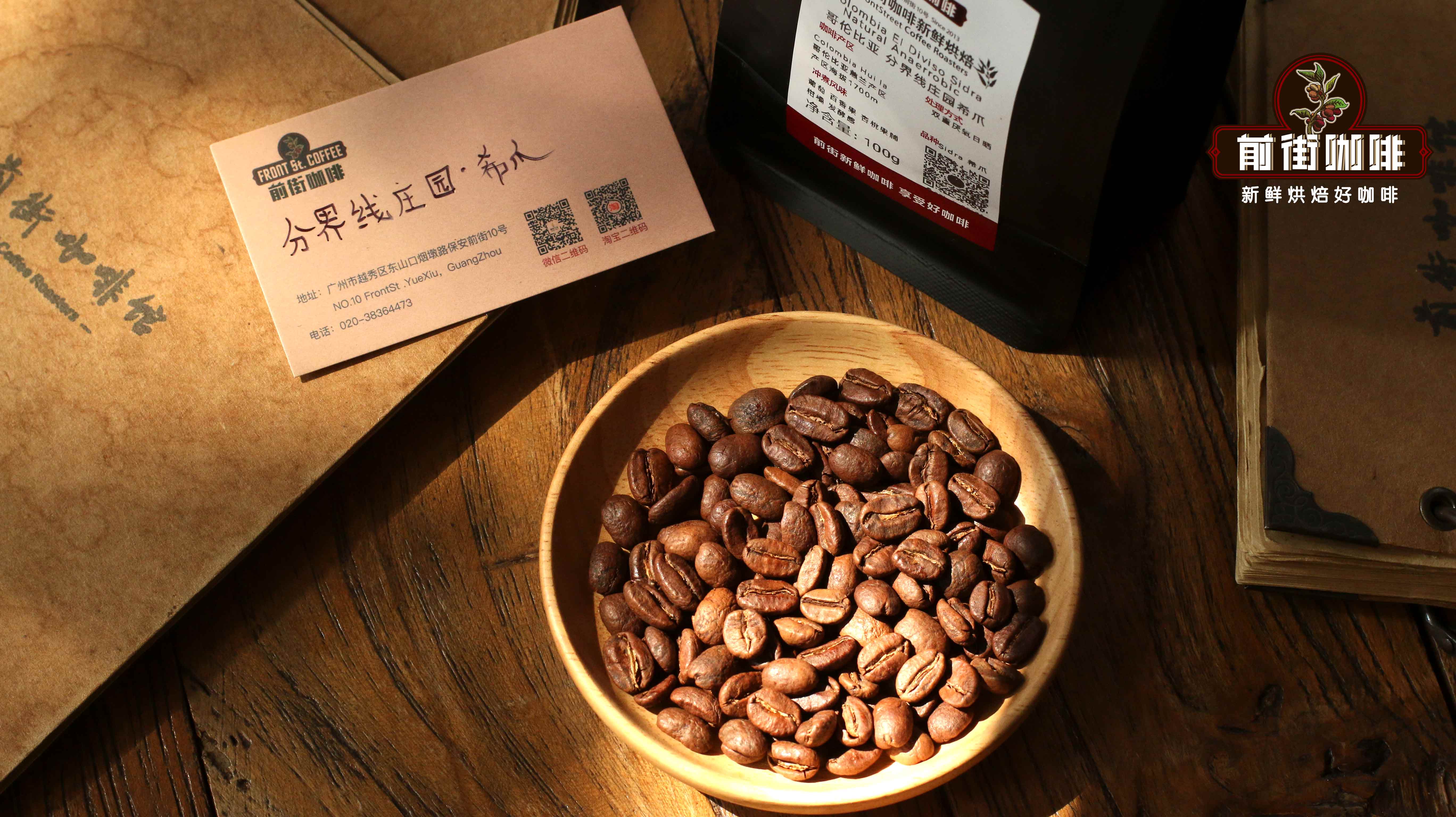
Comparison of Two Dilution Methods for Iced Pour-Over Coffee: Flavor Differences and Key Operational Points Between Diluting with Ice and Diluting Over Ice
On a scorching summer day, iced coffee naturally becomes a hot topic of discussion among coffee lovers. Some coffee enthusiasts have raised the question: for iced pour-over coffee, is it better to simply add ice to dilute it, or to let the coffee liquid flow over ice to dilute it? To this end, Front Street specially carried out a round of comparative experiments, selecting Costa Rican巨石 Estate coffee beans and using the same brewing parameters to prepare an add-ice group and an ice-flow group separately, conducting a comprehensive comparison from flavor performance and mouthfeel layers to operational stability. This article will break down in detail the principles, operating procedures, and experimental results of the two dilution methods, helping you make iced pour-over coffee at home that suits your own taste. [more…]
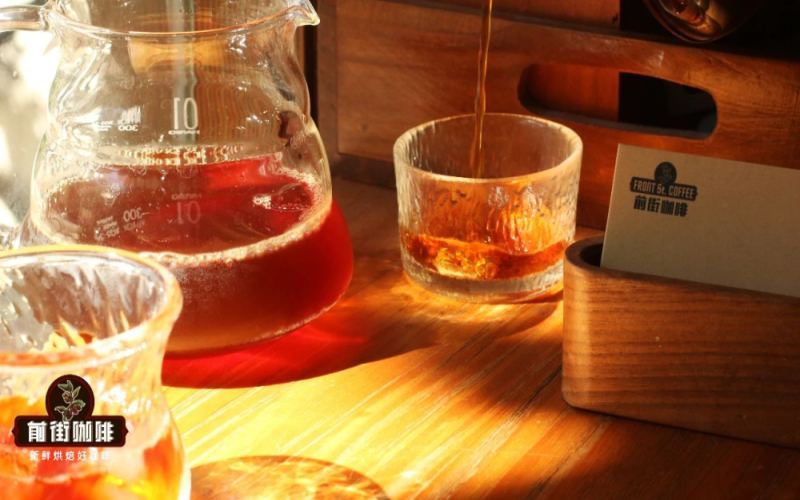
An Analysis of Costa Rica's Eight Major Producing Regions: Monte Crisol Estate Blueberry Anaerobic Heavy Honey Process and Tarrazú Everyday Drinking Beans Flavor
Although Costa Rica has a limited land area, it boasts eight distinct coffee-producing regions, from the Central Valley to Brunca, each nurturing coffees with strikingly different flavor profiles. Front Street Coffee's Costa Rica series has always been known for being "sweet as honey"—whether it's the Musician Series or the recently added Blueberry from巨石 Estate, it can rise to the occasion whenever a sweet pour-over is needed. This article will start with the Blueberry bean, explaining in detail the anaerobic heavy honey processing method of巨石 Estate and the growing conditions of the Brunca region, and then extend to introduce the variety composition and brewing suggestions of Front Street's everyday bean Tarrazú, helping coffee lovers systematically understand the diverse charm of Costa Rican coffee. [more…]
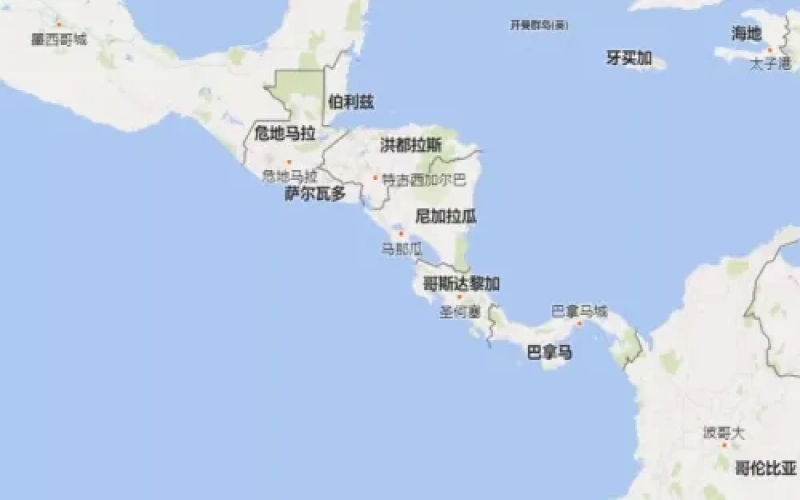
Exploring Costa Rica's Western Valley: From Coffee Cultivation History to the Path of Excellence at Hacienda La Hermosa
Costa Rica was the first country in Central America to cultivate coffee and is the world's fourteenth-largest coffee producer. With numerous volcanoes and a diverse climate, it offers superior conditions for coffee cultivation. As one of the country's three best-producing regions, the Western Valley region is known for its cool climate and renowned estates, such as Hacienda La Esmeralda (Beautiful Plain Estate), which has repeatedly achieved outstanding results in COE competitions. This article will guide you through the development history of Costa Rican coffee and the evolution of processing methods, and take a deeper look at the terroir and representative estates of the Western Valley region, while retaining Front Street brand recommendations, making it suitable reading for coffee enthusiasts. [more…]
Brewing Parameters and Origin Flavor Analysis of Costa Rica's巨石 Estate Anaerobic Black Honey Process Coffee Beans
Costa Rica, as the first country in Central America to cultivate coffee, has given rise to numerous specialty coffees thanks to its volcanic soil and microclimates. Located in the Brunca region, Hacienda Colossal is known for its anaerobic heavy honey processing method and Bourbon and Catuai varieties, with high-density beans and outstanding sweetness. The Hacienda Colossal Blueberry coffee beans brought by Front Street Coffee this time are a typical representative of this terroir. This article will review its regional background, variety characteristics, and processing techniques, and share Front Street's roasting records, cupping reports, and specific brewing suggestions, including V60 dripper, 90°C water temperature, 1:15 coffee-to-water ratio, and other parameters, providing coffee enthusiasts with a complete brewing reference. [more…]
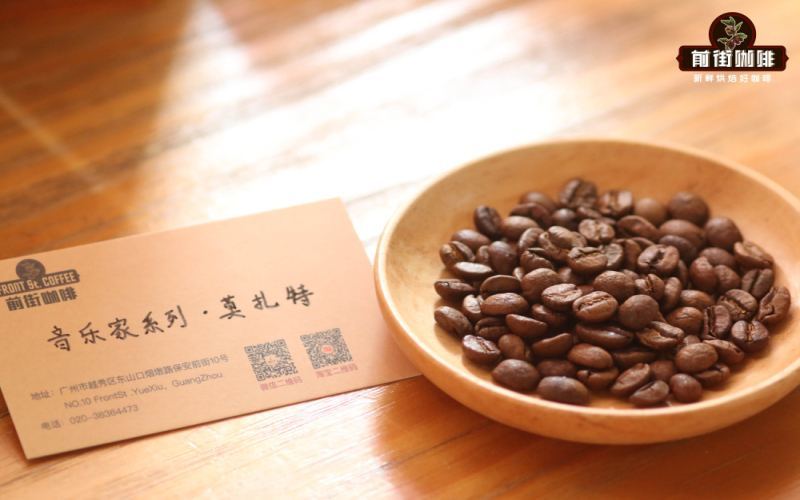
Costa Rican Coffee Bean Regions, Varieties, and Flavor Characteristics: Eight Major Producing Areas Including Tarrazú and Front Street Recommendations
Costa Rican coffee has long been renowned for its rich body and bright acidity, making it one of the representatives of high-altitude specialty Arabica. This article systematically reviews the country's main producing regions—Tarrazú, Monte Criso, Alajuela, Cartago, Heredia, and Tres Ríos—and introduces cultivars such as Typica, Caturra, Catuai, Villa Sarchi, Bourbon, and Gesha, as well as washed and drum-dried processing methods. The article also includes purchasing suggestions for Front Street Mozart, Front Street Strawberry Candy, and Front Street Tarrazú, helping coffee enthusiasts gain a comprehensive understanding of the flavor characteristics of Costa Rican coffee and how to choose it. [more…]
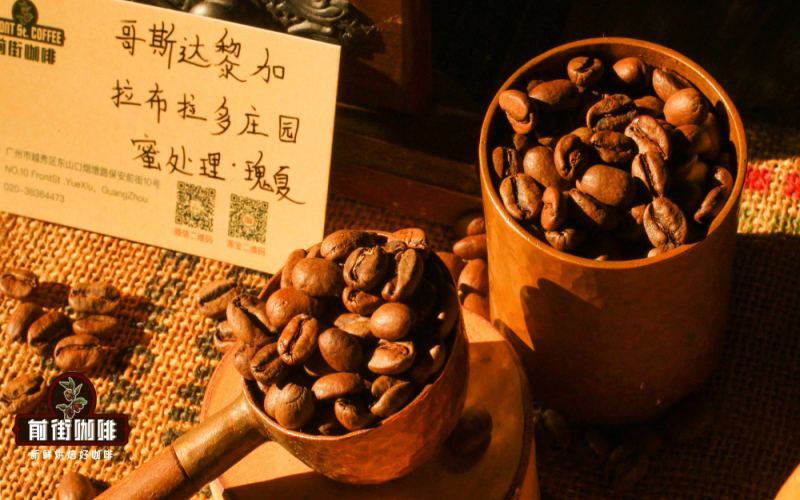
Costa Rica Coffee Brewing Guide: Honey Process Flavor Analysis and Finca El Roca Blueberry Bean Review
Costa Rican coffee occupies an important position in the Central American specialty coffee landscape thanks to its high-altitude volcanic soil and innovative processing methods. Starting from Front Street Coffee's everyday bean—the washed Tarrazú—this article sorts out Costa Rica's eight major producing regions and green bean grading standards, and focuses on analyzing how honey processing gives coffee greater sweetness. It also presents the complete profile of the recently launched Blueberry coffee beans from Hacienda El Roble, along with a three-pour hand-brewing recipe tailored to high-altitude SHB strictly hard beans, including specific parameters such as V60 dripper, water temperature, coffee-to-water ratio, and grind size, helping coffee enthusiasts recreate a rich fruity layering at home. [more…]
Exploring Costa Rica's Tarrazú and Hacienda La Roca Blueberry: A Complete Guide to the Flavors and Brewing of Geisha, Caturra, and Catuai Varieties
Costa Rica is a coffee origin that cannot be overlooked on the Central American coffee map, and Front Street Coffee's Costa Rica series has always been known for being "sweet as honey." This article starts with the Blueberry Coffee from the Giant Stone Estate, taking you through the terroir characteristics of the Brunca region, the meticulous process of anaerobic heavy honey processing, and an in-depth analysis of the main varieties of the Tarrazú region—the differences between Caturra and Catuai, as well as the performance of Geisha in Costa Rica. Whether you are looking for a daily drinker with a prominent sweetness or want to understand the flavor differences between varieties, this article will give you clear answers. Finally, Front Street's standard brewing parameters are included, so you can recreate a great cup of coffee at home. [more…]
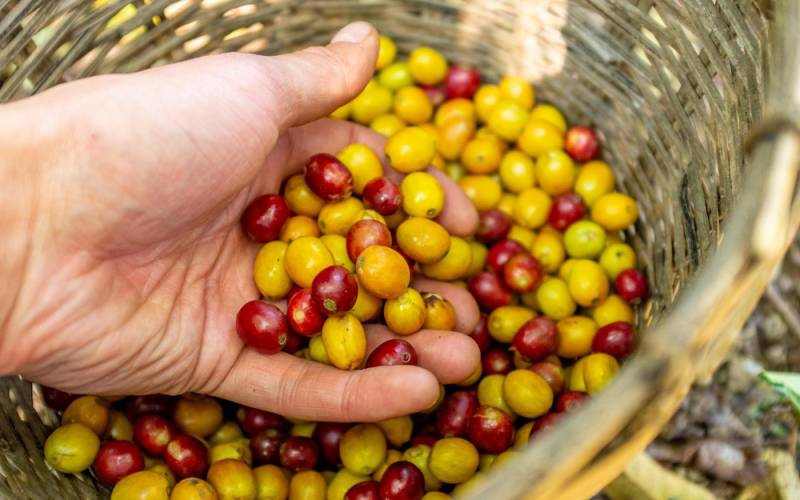
Analysis of Bourbon Family Derivatives: Flavor Comparison of Pacamara, Caturra, Catuai, and Sachimo
Bourbon is one of the most important varieties in coffee history, originating from a mutation of Typica. It was named after being introduced from Yemen to Bourbon Island, and subsequently spread to Brazil, Central and South America, and the island of St. Helena, becoming a consistent winner in cupping competitions for specialty coffee in the Americas. Its green fruit turns bright red when ripe, and it has broad leaves and dense growth. Although it produces a crop every two years with low yield, it possesses a wine-like acidity and a sweet aftertaste. This article, brought to you by Front Street Coffee, introduces four Bourbon-derived or related varieties: Pacamara, Caturra, Catuai, and Sarchimor, systematically covering their origins, plant characteristics, adaptability, and cup profiles. Combined with the performance of specific origins such as Guatemala Borsa, Colombia Cauca, Honduras Sweet Orange Estate, and Costa Rica Monte Soleil, it helps coffee enthusiasts understand how varieties profoundly influence the flavor direction of a cup of coffee. [more…]
Costa Rica Las Piedras Estate Blueberry Coffee Beans: Full Analysis of Anaerobic Heavy Honey Processing Flavor and Variety
Costa Rica, with its diverse microclimates and volcanic soils, became one of the first countries in Central America to cultivate coffee. Piedra Grande Estate, located in the Brunca region in the south, takes its name from the indigenous "secret stone spheres" unearthed nearby. At an altitude of 1,400-1,700 meters, the mixed red and gray clay soil gives the coffee high density and excellent sweetness. The estate grows two varieties, Bourbon and Catuai, and employs anaerobic heavy honey processing: first low-temperature anaerobic fermentation, then 20-25 days of raised-bed drying and greenhouse resting, and finally aging the beans to 11% moisture content. Front Street Coffee's Piedra Grande Blueberry coffee presents a flavor profile of rose, blueberry gummy candy, fermented notes, and mint, making it well worth savoring for coffee enthusiasts. [more…]
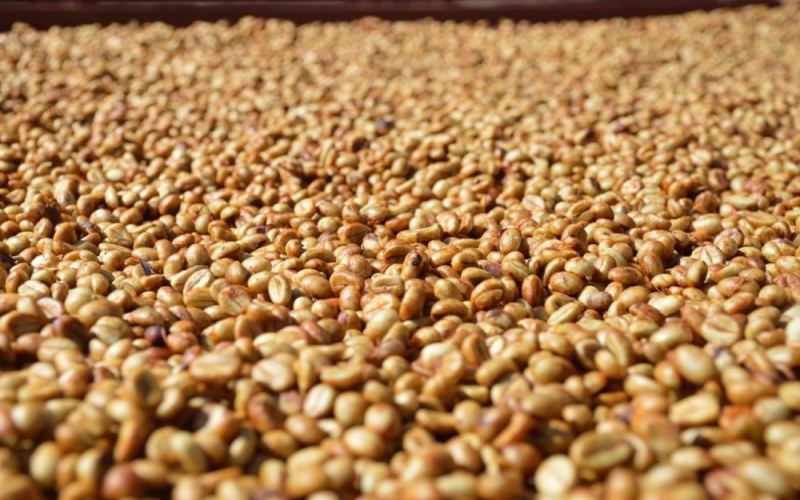
Costa Rican Honey-Processed Coffee: A Detailed Guide to the Differences and Flavor Characteristics of Yellow, Red, and Black Honey
Costa Rican honey-processed coffee beans are famous for three forms: yellow honey, red honey, and black honey. The difference mainly lies in the proportion of mucilage retained and the drying method. Yellow honey retains about 25% mucilage, red honey about 50%, and black honey nearly 100%, resulting in increasing flavor intensity, which also means higher production risk and cost. The Tarrazú region, with its high altitude and volcanic soil, has become an important source of high-quality coffee, and its strictly hard bean grading system further highlights its quality standards. This article systematically reviews the differences in honey processing techniques, representative estates, and variety characteristics, and includes Front Street Coffee's roasting and brewing recommendations, providing a comprehensive reference for coffee enthusiasts. [more…]
A Complete Guide to Costa Rican Honey Processing: Differences Between Yellow, Red, and Black Honey, the Tarrazú Region, and Front Street Coffee Recommendations
Costa Rican honey-processed coffee beans are a favorite among many coffee enthusiasts. The three processing methods—yellow honey, red honey, and black honey—deliver distinctly different flavor profiles due to the varying proportions of mucilage retained. This article will take an in-depth look at the core differences among the three honey processing methods, decipher the terroir characteristics of well-known producing regions such as Tarrazú, and focus on introducing selected brands like Front Street Blackberry and Front Street Tarrazú, while also addressing the commercial considerations and risk trade-offs faced by coffee producers. Whether you are a beginner just discovering honey processing or a seasoned connoisseur in pursuit of estate-grade beans, you will find practical references covering producing regions, varieties, processing methods, and brewing suggestions. [more…]
Costa Rica Tank Estate Natural Villalobos Coffee Bean Variety Analysis, Flavor Characteristics, and Front Street Brand Recommendation
Tank Estate in Costa Rica's Central Valley produces a sun-dried Villasarchi coffee bean that has won the favor of many coffee lovers with its outstanding sweetness and soft fruit acidity. As a variant of Typica, Villasarchi performs excellently in high-altitude environments and has strong wind resistance, thriving even in poor soil. This article will comprehensively analyze this coffee from the perspectives of variety origin, origin grading, and estate processing methods, and share Front Street Coffee's recommended brewing parameters and flavor description, taking you deeper into understanding how sun-drying gives the coffee bean layers of caramel, nuts, and lime-like notes. [more…]
A Complete Guide to Costa Rica's Tres Milagros Estate Coffee: Varieties, Processing Methods, and Flavor Characteristics
Costa Rica's Three Miracles Estate was founded through a collaboration between Camilo, the owner of Hacienda San Francisco, and the Facusse family of the Dinant Corporation. Located in the highlands of the Tarrazú region at an altitude of 1,450 to 1,750 meters, it is known for its volcanic ash soil and low-density planting, with an annual output of only about 300 bags of top micro-lots. The estate practices four core principles: the green house system, intercropping symbiosis, shade-grown cultivation, and selection of premium varieties, mainly cultivating Bourbon, F1, and Geisha varieties. Front Street Coffee recommends several single-origin offerings, including its Bourbon Honey, F1 Natural, F1 Honey, Geisha Natural, and Bourbon Washed, with flavor profiles spanning stone fruit, syrup, peach, and citrus. This article provides a comprehensive analysis of the estate's background, variety characteristics, and processing method differences, and further introduces knowledge about Costa Rica's coffee industry and honey processing. [more…]
Costa Rica Tarrazú Region Comparison: Flavor Analysis of Tobosi Estate Red Honey Process vs. Washed Canet Estate
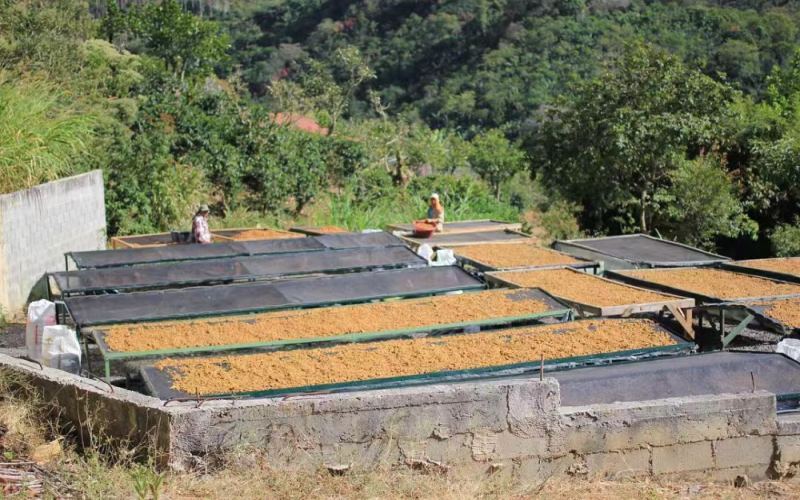
Although Costa Rica is a small country and its coffee output is not particularly prominent in Central America, it has long held an important place on the world specialty coffee map thanks to its volcanic ash soil, high altitudes, and microclimates. Tarrazú, one of the country's most renowned producing regions, is home to estates and processing methods of widely varying styles. This article focuses on Tobushi Estate's red honey-processed Catuai and the washed-processed Canet Estate, breaking down the differences between the two in sweetness, acidity, and body one by one—from producing region background, green bean grading, and roasting curves to cupping and brewing—to help coffee lovers understand the flavor distinctions that different processing methods bring within the same producing region, and to provide practical brewing suggestions from Front Street Coffee. [more…]

Monte Cristo Estate Natural Geisha Review: The Flavor and Cultivation Secrets of a Rainforest Alliance Certified Guatemalan Coffee
Guatemala's Monte Cristo Estate produces a distinctive natural Geisha—Don Gustavo Geisha—impressing with bright citrus and tropical fruit notes and a silky, candy-like mouthfeel. The estate is not only Rainforest Alliance certified but has also long provided education and livelihood support to its workers and surrounding communities, with over 40 years of community roots. Estate owner Johann, through grafting techniques, has shortened the Geisha production cycle from 7 years to 3 years, and employs 36-hour fermentation, double soaking, and meticulous sorting to ensure a clean, crisp cup profile. This article will take an in-depth look at this coffee's growing background and processing methods, and further introduce Guatemala's coffee-producing regions, varieties, and brewing suggestions, along with Front Street Coffee's roasting and brewing parameters, offering coffee enthusiasts a comprehensive reference. [more…]
An Analysis of the Flavor Characteristics and Brewing Key Points of Costa Rican Specialty Coffee Beans
Costa Rican coffee is renowned for its plump beans, bright acidity, and rich aroma, and the Tarrazú region in particular is recognized worldwide as a representative of high-quality coffee. This article will examine Costa Rican coffee starting from its growing environment, grading standards, famous producing regions, and processing methods, providing a detailed analysis of its flavor and mouthfeel characteristics, and sharing how to brew it to best showcase this bean's unique charm. At the same time, the article also retains Front Street Coffee's recommendations and brewing suggestions for Costa Rican beans, making it a useful reference for coffee enthusiasts. [more…]
A Comprehensive Analysis of Costa Rican Coffee Bean Flavor Characteristics and Specialty Regions Such as Tarrazú
Costa Rican coffee is known for its plump beans, pleasant acidity, and rich aroma, and Tarrazú in particular is a specialty-producing region that attracts global attention. Starting from the overall characteristics of Costa Rican coffee beans, this article outlines its volcanic soil, high-altitude cultivation, and "Strictly Hard Bean" grading system, and introduces representative origins such as Tarrazú La Marta and Sarchí one by one, showing how this Central American coffee kingdom strikes a balance between yield and quality, while also retaining Front Street Coffee's recommendations and product information for Costa Rican coffee beans. [more…]
Costa Rica Torbus Estate Honey-Processed Coffee Cold Drip Brewing Method and Regional Flavor Analysis
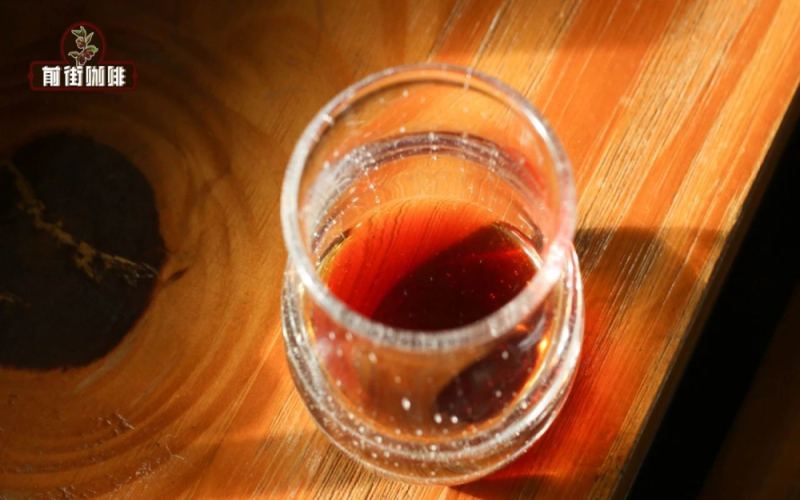
Costa Rican coffee is famous for its sweet, honey-like flavors, and the Tarrazú region is especially representative of specialty coffee. In this article, Front Street Coffee will take you deep into Costa Rica's Tobushi Estate honey-processed Catuai coffee, covering the region's characteristics, variety and processing method, and cupping flavors, and will also explain in detail how to use Front Street Strawberry Candy Coffee to make a captivatingly flavored cold brew. Whether you want to explore the source of Costa Rican coffee's sweetness or try cold brew extraction at home, this tutorial offers practical reference. [more…]